

A makeup brush reorder should start with the approved specification, not just the previous invoice. A repeat product name does not tell a supplier which artwork revision, brush configuration or packing instructions apply to the next batch.
This makeup brush reorder checklist helps brand and procurement teams separate an unchanged repeat order from a revised product. It is a planning tool: quantities, inspection criteria, materials and delivery dates still need written confirmation for the specific order.
1. Identify the exact product you want to repeat
Record the supplier product reference, your internal SKU, the previous purchase order and the approval date. For a set, list every brush and accessory rather than relying on the set name or piece count alone. Two sets with the same count can have different brush shapes, handle lengths or packaging.
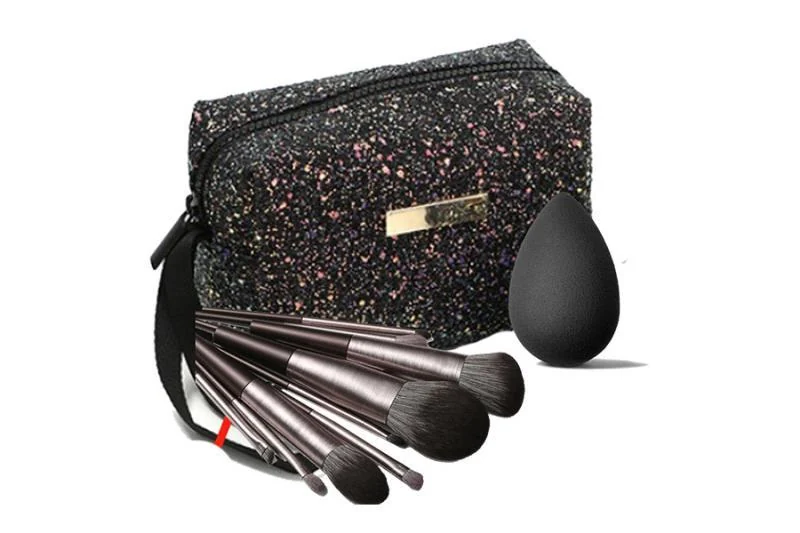
Use the makeup brush set collection to discuss formats, then identify the precise configuration in your order documents. A collection image is a starting reference, not the specification for your reorder.
2. Reconcile the approved sample and specification sheet
Give the physical reference sample an identifier and record who holds it. Link that identifier to the current specification sheet, dated photos and approval record. If the sample and written details disagree, resolve the difference before authorising production.
Check the fields that define your product: brush shape, dimensions, bristle material, ferrule and handle specification, finish, logo position and set contents. Enter agreed values and methods where relevant; do not invent tolerances from a photograph. The makeup brush sample checklist can help organise the review.
As general inspection guidance, QIMA describes sample review against technical files and agreed criteria. This external reference explains a review approach; it does not indicate that HEXUE or a particular product has been inspected or certified by QIMA.
3. Put changes in a separate revision list
Mark each field as unchanged, changed or awaiting confirmation. A new handle colour, logo file, brush mix or pouch should be visible in the revision list even if the rest of the set stays the same. Ask which changes require a revised sample or another approval step.
- Product changes: shape, dimensions, materials, finish or assembly details.
- Branding changes: artwork version, placement, print colour or language.
- Pack changes: set layout, accessories, labels, inserts or carton instructions.
For a revised configuration, use the custom makeup brush options as a discussion guide. Availability and the final specification must be confirmed for the selected product.
4. Confirm quantities by SKU, colour and packaging unit
Write down whether each quantity means individual brushes, complete sets, retail packs or cartons. Split the order by SKU and colour so the supplier can check the requested mix. Confirm whether packaging components have separate quantity requirements and how any unused components will be handled.
A previous order quantity does not establish the terms of the next order. Ask the supplier to reconfirm the current quantity basis, pricing scope and any development costs. See the makeup brush MOQ guide for the distinction between style, colour and set quantities.
5. Reapprove artwork and packing instructions
Attach the final artwork file and revision date. Specify the required brush count, accessory count and packing layout for each SKU. If labels, language or market information change, have the responsible brand team review that content before release.
Keep retail packaging decisions separate from outer-carton and shipment instructions. The packaging brief and artwork checklist covers the details to collect.
6. Agree on checks and a dated handoff
Before release, record the inspection scope, acceptance criteria, reference documents and person responsible for approval. Specify how a discrepancy will be documented and who can authorise a change. A retained sample supports comparison; it does not replace agreed inspection requirements or prove every unit is identical.
Ask for an order-specific schedule showing pending approvals and the proposed production and shipment milestones. Confirm the delivery scope separately from the date the goods are expected to be ready. This guide does not establish a standard HEXUE lead time.
Copy this reorder handoff checklist
- Internal SKU, supplier reference and previous purchase order.
- Approved sample identifier and latest specification revision.
- Change list, including an explicit record of unchanged fields.
- Quantity per SKU, colour, set and packaging component.
- Final artwork files and packing instructions.
- Inspection scope, acceptance criteria and approval owner.
- Open questions, approval deadlines and agreed delivery scope.
Frequently asked questions
Does a repeat order need a new sample?
Confirm this with the supplier for the specific order. Review changes, the condition and availability of the retained sample, and any unresolved specification differences before deciding which approvals are needed.
Can I change the colour and keep the old SKU?
Your internal SKU policy is your decision, but the supplier still needs a distinct, approved colour specification and revision record. Make the change visible in the purchase order and approval documents.
What should I send first?
Send the previous product reference, the latest approved specification, requested quantities and a clear change list. Use the brush RFQ checklist to collect missing details, or discuss your reorder brief with HEXUE.