
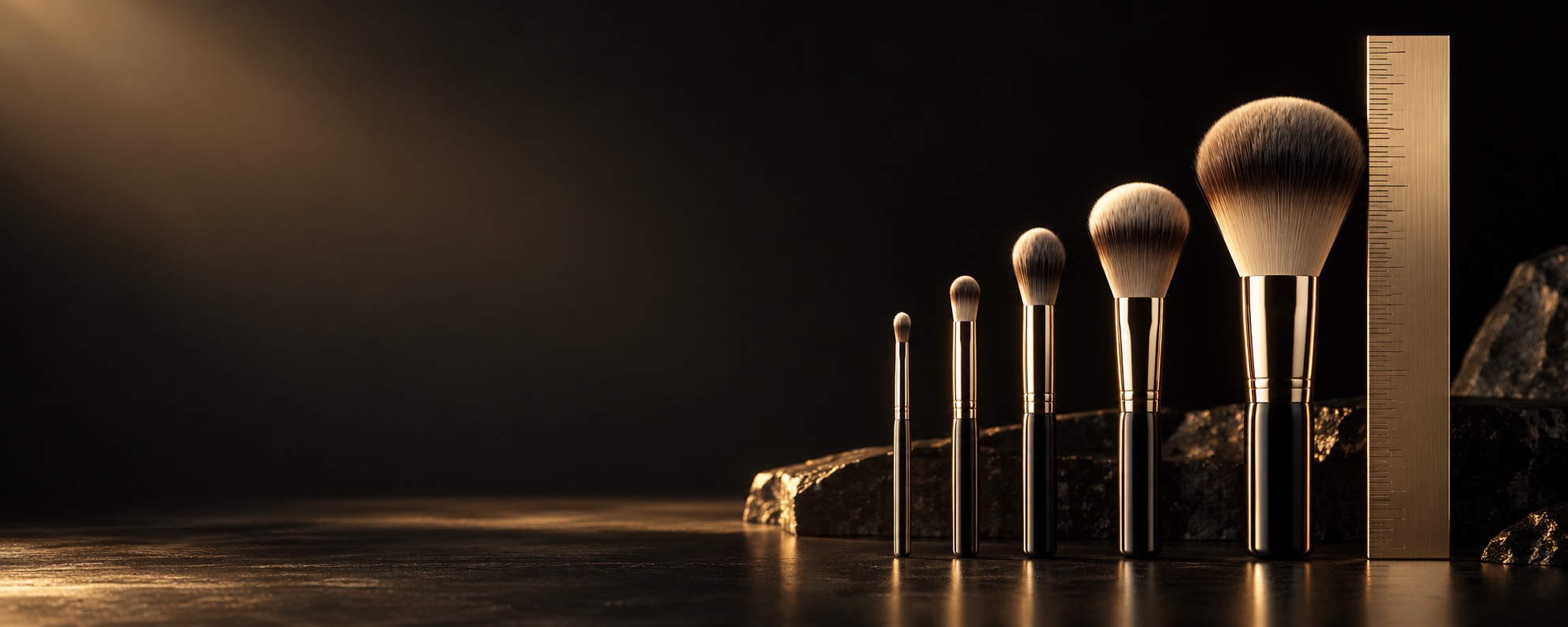
Packaging can look finished on screen and still be undefined as a product specification. A box mockup does not confirm that the brush fits, that the correct accessories are included or that the artwork file matches the approved layout.
This guide helps brand owners, product developers and procurement teams prepare a makeup brush packaging brief that a supplier can review. It focuses on the documents and decisions to align; exact materials, dimensions, production methods, costs and timing depend on the selected design and must be confirmed for the project.
Start with the selling unit
Before discussing artwork, define what the customer receives. Is the item a single brush, a multi-piece set, a pouch with brushes, or a box with additional tools? List every brush and accessory in the selling unit, then assign a buyer SKU or reference code to each configuration.
Keep the product configuration separate from the packaging configuration. For example, the same brush assortment may be offered in more than one case or outer box. Identify which combinations are actual SKUs and which are only visual directions. The brush set planning guide can help your team settle the assortment before the pack is designed.
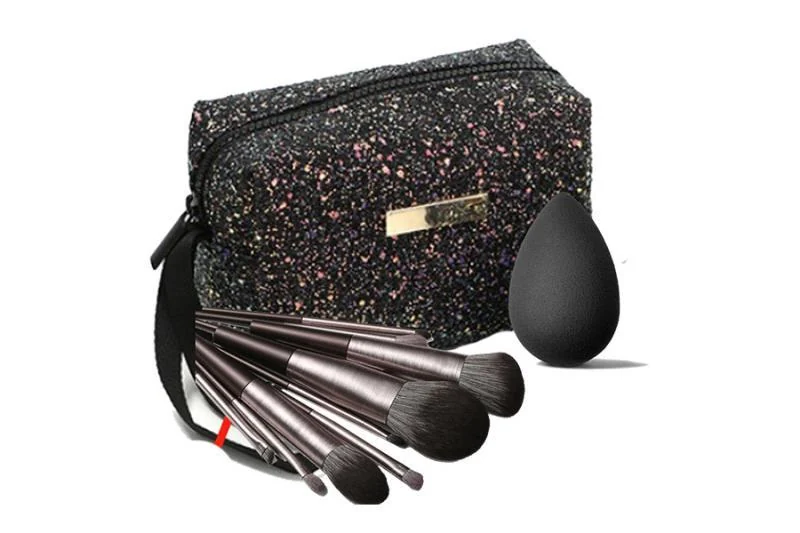
Record the brush and pack dimensions
Share the dimensions of the actual brush or approved sample, including overall length and the widest parts of the head and handle. For a double-ended brush, show both ends and the full length. Note which measurements are confirmed and which are estimates.
For the proposed pack, provide internal and external dimensions when available, plus a drawing or reference showing how each item sits inside. Allow the supplier to review the brush against the proposed cavity, sleeve, insert or pouch. Avoid guessing a universal clearance: brush head shape, fibre profile, packing orientation and the retaining structure all affect fit. Ask the supplier to identify the dimensions that still need to be checked against a physical sample.
If the brush is intended to be visible through a window or an open display, note which side should face forward and where the logo should appear. If the pack closes around the brush head, ask how the design protects the fibres from being compressed during storage and handling. These are project questions to resolve in the layout and sample review, not fixed performance guarantees.
Separate retail presentation from transport packing
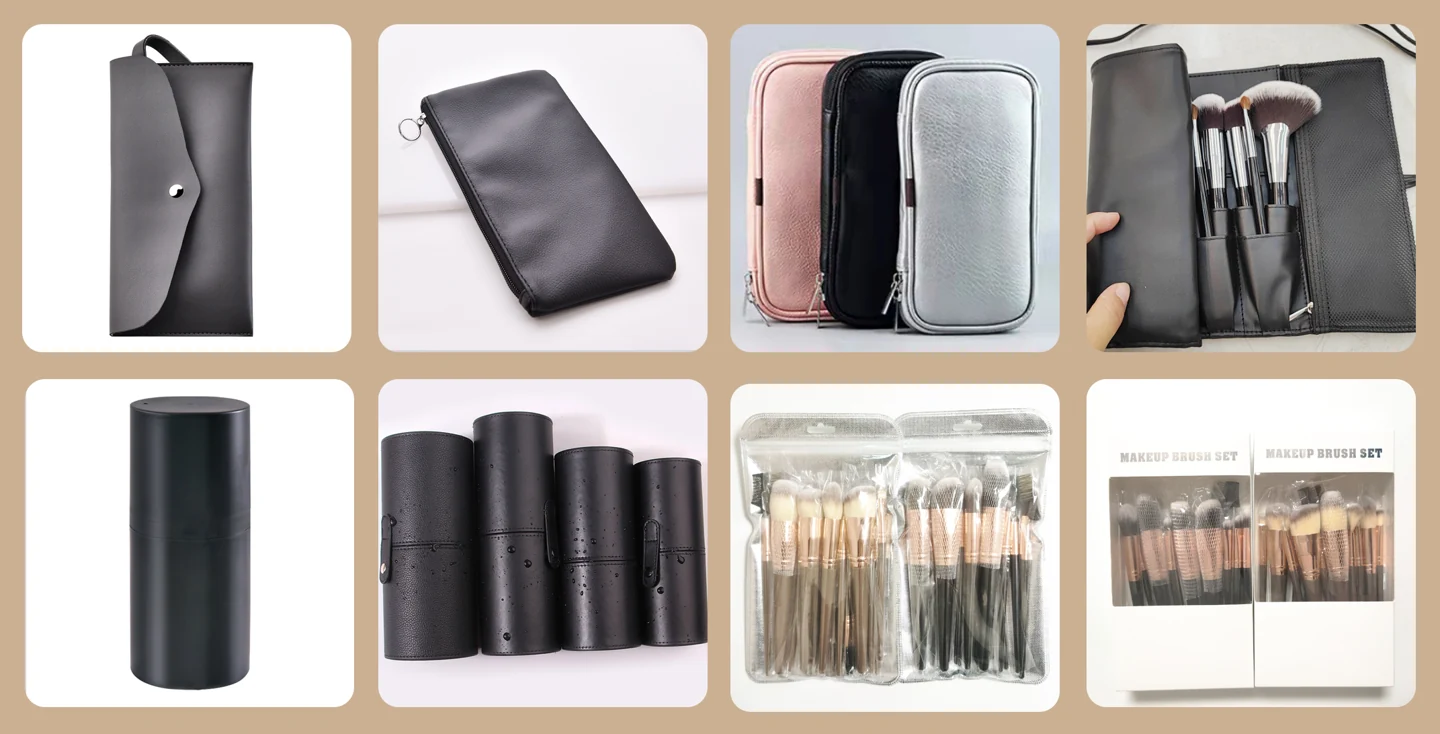
A retail box, protective sleeve, pouch, set insert and export carton solve different problems. State which components are part of the customer-facing pack and which are used to group or protect goods for shipment. If your team needs the quotation to include only some components, list the exclusions clearly.
For a multi-piece set, specify the number of brushes and accessories per selling unit and the number of selling units intended for each outer carton if known. Ask the supplier to confirm its proposed pack-out rather than assuming that a product image shows every included item. Packaging options can be discussed alongside the brush configuration on the makeup brush sets page.
Prepare artwork as a controlled handoff
Send the approved logo and other graphic assets in the file formats requested by the packaging supplier. Include the current layout or dieline only after the responsible supplier confirms it matches the selected pack structure. A dieline is a working template: folds, glue areas, windows and print boundaries can change when the physical construction changes.
Mark the required information and its location: logo, product name or item reference, barcode, language versions, symbols and any market-specific copy your team has approved. For the actual wording, have the responsible brand or compliance reviewer confirm the requirements for the product and destination market. Do not copy cosmetic formula label text onto a brush pack without checking whether it applies to the tool.
Record the artwork version and date in the handoff. If a finish, colour or print treatment is important, identify it in writing and ask how it will be represented in the proof or sample. A colour displayed on a monitor is a visual reference, not by itself an agreed physical standard.
Use the right approval evidence
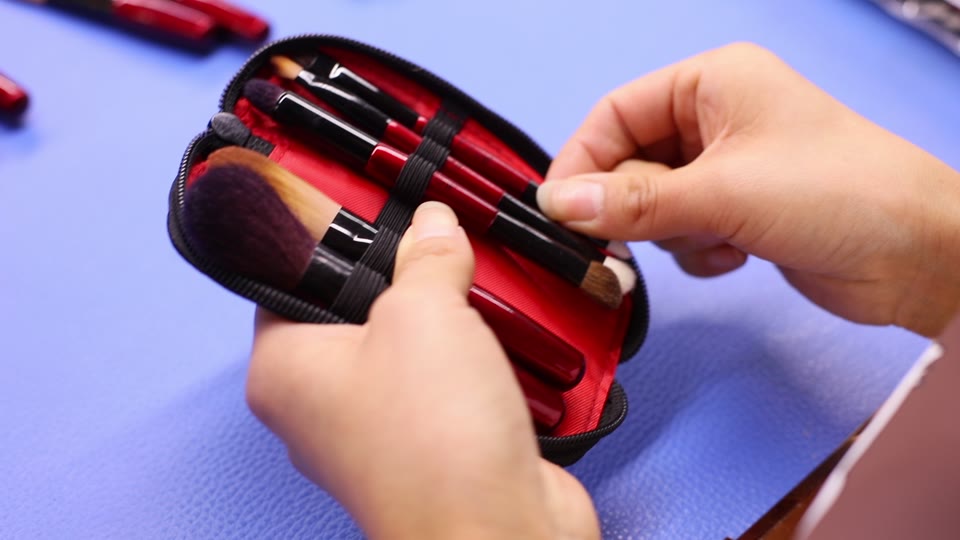
A flat artwork proof can help review spelling, layout and graphic placement. It does not demonstrate the fit or assembly of a physical pack. If structure or fit is important, ask what sample or mockup is needed to check those points. If a complete brush set is being packed, review the actual components together so the approved configuration is clear.
Before approval, compare the submitted proof or sample against the brief:
- Identity: correct brand assets, item references and artwork revision.
- Content: correct brush and accessory count for each selling unit.
- Fit: the approved brush configuration sits as intended and can be removed or handled as planned.
- Orientation: brush heads, handles, logos and any viewing window face the intended direction.
- Pack details: material, colour direction, finish and closure match the agreed specification.
- Open items: every estimate, exclusion or pending market review is assigned an owner.
Keep the approved artwork and sample reference together with the product specification. If the brush, insert, box or wording changes later, identify the new revision and review whether another approval is needed. The sample review checklist explains how to record decisions on the brush itself.
Copyable packaging brief checklist
- Project: brand, target market, sales channel and buyer contact.
- Products: SKU references, brush dimensions, set contents and accessories.
- Pack format: individual protection, pouch, sleeve, box, insert and outer carton scope.
- Fit references: current brush sample or drawing, proposed internal layout and any measurements still to verify.
- Artwork: logo files, layout or confirmed dieline, version/date, barcode and approved copy.
- Appearance: colour references, finish direction, logo position and presentation orientation.
- Approval: proof needed, structural sample needed, review owner and record of final approval.
- Quotation: quantities by SKU, included components, exclusions and assumptions to confirm.
Questions buyers often ask
Can I send packaging artwork before the brush sample is final?
You can share the visual direction early, but label dimensions and fit as provisional until they have been checked against the approved brush and pack structure. Ask which parts of the artwork can be reviewed now and which depend on confirmed dimensions.
Is a rendered mockup enough to approve packaging?
A render can help review visual direction. It cannot confirm physical fit, assembly or how the packed brush will be handled. Agree whether your project needs a physical sample or structural mockup for those decisions.
Should a brush set and its box have one SKU?
That depends on how your business manages products and configurations. Use clear references for each sellable combination, and ask the supplier to map those references to the exact brush and packaging contents in the quotation.
What should I send to HEXUE Beauty?
Share the brush type or set contents, target market, dimensions or reference sample, packaging direction, logo artwork and estimated quantity. Mark what is approved and what is still open. Explore custom makeup brush options and the OEM/ODM development process, then send the brief through the enquiry form. Available materials, MOQ, sample scope and timing should be confirmed against your project.